Outdoor Heating Systems: Creating Comfortable Spaces in Any Season
Introduction
As the seasons change, outdoor spaces can rapidly end up being less welcoming due to dropping temperatures. However, Outdoor Heating Uk of advanced outdoor heating systems has made it possible to delight in patio areas, gardens, and decks all year round. Whether for individual pleasure or catered events, outdoor heating systems supply convenience, performance, and ambiance. This post explores various outdoor heating solutions, their advantages, and their proper application, making sure that your outdoor space remains a sanctuary despite the season.
Types of Outdoor Heating Systems
There are numerous kinds of outdoor heater, each with its distinct advantages and applications. The following are some popular options:
1. Patio Heaters
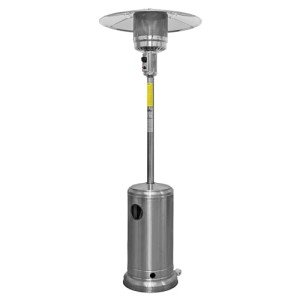
Patio heaters are flexible, portable units that can be used in residential or commercial settings. They come in different styles, consisting of:
- Propane Patio Heaters: Commonly discovered in restaurants and bars, these can heat an area of as much as 200 square feet and are quickly moved.
- Electric Patio Heaters: Ideal for smaller locations, they offer instantaneous heat and require less maintenance.
- Gas Patio Heaters: These are often repaired setups that can warm larger locations but require a gas line.
2. Fire Pits
Fire pits provide a timeless outdoor heating service with the added benefit of developing a focal point in backyards. Fire pits can be:
- Wood-burning: Provide standard warmth and ambiance but require tracking and cleanup.
- Gas-burning: Easier to operate, with the flip of a switch, they offer regulated heat without the mess.
3. Infrared Heaters
Infrared heaters are growing in appeal for their efficiency and effectiveness. They work by warming people and things straight instead of the air around them. This makes them ideal for:
- Covered patios: Ideal for locations with wind or rain.
- Instantaneous heat: Infrared heaters offer immediate heat without long warm-up times.
4. Outdoor Heat Lamps
Heat lamps are generally used in dining establishments on outdoor patios to supply localized heating. They are readily available in numerous styles and can be put on tables or mounted on walls.
5. Chimeneas
Chimeneas are ornamental, outdoor fireplaces that not only supply warmth but likewise act as a striking function in landscaping. They can be made of clay, cast iron, or stainless steel and can deal with wood or gas fuels.
Advantages of Outdoor Heating Systems
Outdoor heating systems boost the functionality of outdoor spaces. Here are a number of benefits:
- Extended Usability: They permit outdoor areas to be enjoyed even in chillier months, making them ideal for gatherings and occasions.
- Increased Property Value: Quality outdoor heating solutions can boost the aesthetic worth of a home or commercial home.
- Improved Ambiance: Many outdoor heaters use a cozy light, producing a warm environment for gatherings.
- Versatility and Portability: Many heating systems, such as patio heaters or fire pits, can be moved to adjust to various events or requirements.
Elements to Consider When Choosing an Outdoor Heating System
Choosing the best outdoor heating system involves considering numerous elements:
1. Size of the Outdoor Area
Choosing a heating unit fit to the square video of your outdoor space is important. For bigger areas, more effective units might be necessary, while smaller locations can utilize portable heaters efficiently.
2. Fuel Source
The accessibility and expense of various fuel sources influence which heater to invest in. Consider:
- Electricity: Accessible almost all over however possibly more expensive to run.
- Propane: Portable and reliable however includes tank replacement.
- Gas: Cost-efficient with continuous operation however requires setup.
3. Setup Requirements
Certain systems need expert setup (e.g., gas lines for gas heaters), while others, like electrical systems, can be a DIY project. Comprehending your installation capability is necessary.
4. Local Regulations
Different areas might have guidelines concerning outdoor heating systems, especially with fire safety codes. Examine regional standards to make sure compliance.
Outdoor Heating Systems Comparison Chart
| Heating System | Fuel Type | Coverage Area | Pros | Cons |
|---|---|---|---|---|
| Patio Heater | Propane/Electric | Up to 200 sq. ft. | Portable, easy to utilize | Limited gas accessibility |
| Fire Pit | Wood/Gas | Differs | Visual, natural ambiance | Smoke and ash with wood |
| Infrared Heater | Electric | Approximately 150 sq. ft. | Instant heat, energy-efficient | Minimal in wind exposure |
| Outdoor Heat Lamp | Electric | Localized | Space-efficient, offered in styles | Minimal coverage location |
| Chimenea | Wood/Gas | Varies | Decorative, terrific ambiance | Clean-up needed |
FAQs on Outdoor Heating Systems
Q1: How long do outdoor heating unit last?
A1: The life expectancy can differ. Electric heaters might last a number of years with minimal maintenance, while gas-powered units might last a decade or more with correct care.
Q2: Can outdoor heating unit be utilized in all weather?
A2: Most outdoor heater can be used in various weather conditions, but safety measures should be taken in serious weather. For instance, wind can decrease the effectiveness of some heaters.
Q3: How much does it cost to run outdoor heating unit?
A3: Costs depend on the fuel type and frequency of use. Electric heaters might result in greater electrical energy expenses, while propane and gas expenses can vary based on market rates.
Q4: Do outdoor heating systems feature safety functions?
A4: Yes, a lot of outdoor heater have built-in security features, such as automatic shut-off mechanisms and steady bases, to prevent tipping and other dangers.
Q5: Are there energy-efficient outdoor heating options?
A5: Infrared heaters are thought about energy-efficient due to the fact that they heat objects directly without losing energy warming the air. Constantly try to find Energy Star rankings and effectiveness rankings.
Outdoor heater supply an excellent service for taking pleasure in outdoor spaces throughout the year. By choosing the ideal type of heater, thinking about factors like fuel source and installation, and understanding their advantages, homeowners and organizations can produce inviting, warm, and comfortable environments for gatherings, dining, or simply unwinding outdoors. As technology advances and energy-efficient models become more prevalent, outdoor heating continues to progress, making it an essential part of outdoor living.